The first 90 days after moving to France: a prioritisation guide
A 90‑day prioritisation guide for newcomers, focusing on health cover, driving‑licence rules and French tax‑residence tests, with sources for what is fixed in law and pointers where your own facts drive the sequence.
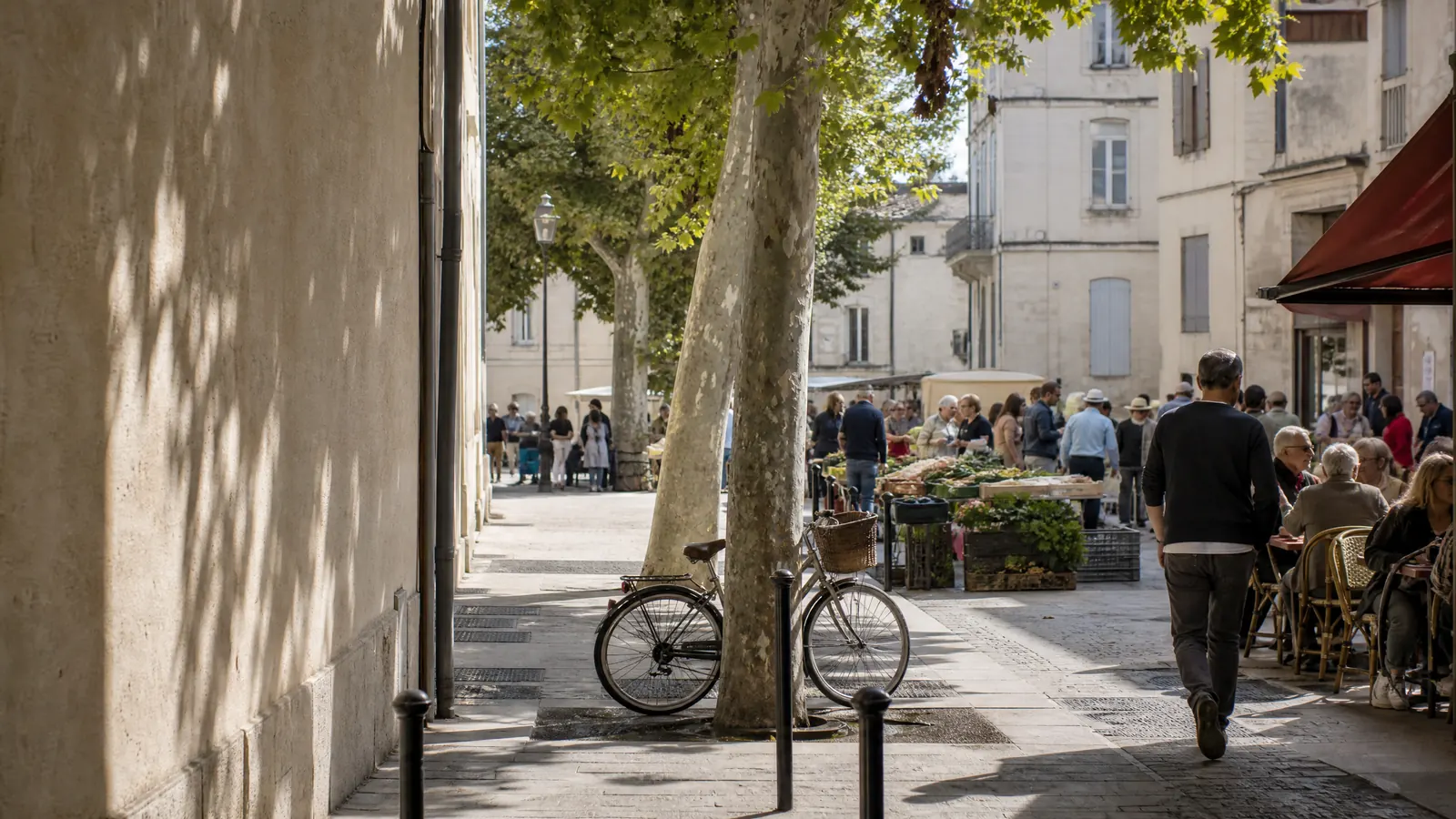
The first 90 days after moving to France: a prioritisation guide, not a universal checklist
This guide focuses your first three months on the areas where national rules are clearest and time‑sensitive: health cover, driving licences and the tests for French tax residence. It avoids presenting a single “checklist” because the right sequence depends on your household, where you live and your legal status. Build a personalised plan and verify each step with the competent authority before you act.
1) Health cover: sort your route from day one
What PUMa is and when it opens - Protection universelle maladie (PUMa) provides continuous coverage of healthcare costs for people who work or who reside in France on a stable and regular basis. [S1] - A person working in France can be affiliated immediately. [S1] - A person without professional activity normally has to wait three months before rights open, subject to stated exceptions. [S1] - Continued residence conditions apply after affiliation. [S1]
Different routes by nationality and status - Health‑cover procedures differ for EU/EEA/Swiss citizens, UK nationals and other nationals, and also by status such as worker, detached worker, retiree, student or jobseeker. [S2] - A worker expatriating to France is generally insured in France from the first hour of professional activity and must finalise registration with the local health fund. [S2] - Some detached workers and some retirees rely on an S1 document rather than immediate French contributions. [S2] - Students may rely on an EHIC, an S1 or a dedicated student registration route depending on their situation. [S2]
Timing and policy watch‑points - The Service‑Public guidance notes a 2026 law that provides for a future financial contribution for certain inactive PUMa beneficiaries, with the implementing decree still awaited; readers should check the current position at the time they act. [S1]
How to use this in a 90‑day plan - If you will work in France, prioritise obtaining evidence of your first hour of paid activity and finalising registration with your local health fund. [S1][S2] - If you will not work initially, map the usual three‑month wait and plan bridging cover if needed, taking into account any stated exceptions that could bring your PUMa entitlement forward. [S1] - If you hold or may be eligible for an S1 (for example as a detached worker or certain retirees), confirm that status before you register locally, because your route and paperwork differ. [S2] - If you are a student, confirm whether your situation is covered by an EHIC, an S1, or the student route. [S2]
2) Driving: know which licences you can use and when to exchange
If your licence is from outside the EU/EEA - A qualifying driving licence issued outside the EU/EEA is generally valid for one year after your normal residence in France begins. [S3] - To continue driving after that period, you must exchange an eligible licence within the applicable deadline. [S3] - Exchange depends on reciprocity between France and the issuing country, the licence category, the licence’s validity, the original holder’s residence when the licence was issued and other conditions. [S3] - If the licence cannot be exchanged, a French driving test may be required. [S3]
If your licence is from the EU/EEA (and certain UK cases) - A valid EU/EEA driving licence, and a qualifying UK licence issued before 2021, can generally be used in France while the licence remains valid and the holder meets the applicable age, medical and sanction conditions. [S4] - Exchange becomes mandatory in specified events such as licence expiry, adding a category, certain French offences, or if the licence is lost, stolen or damaged. [S4] - An EU licence that was originally obtained by exchanging a licence from a non‑reciprocal country can be subject to a different one‑year limit. [S4]
How to use this in a 90‑day plan - If you hold a non‑EU/EEA licence, set a reminder from the day your normal residence in France begins and check reciprocity and category conditions early so that you can file an exchange within the legal window if eligible. [S3] - If you hold an EU/EEA licence (or a qualifying pre‑2021 UK licence), confirm whether any of the specified events will force an exchange and plan accordingly; otherwise you can generally continue driving while your licence remains valid and you meet the conditions. [S4] - If your EU licence originated as an exchange from a non‑reciprocal country, verify whether a one‑year limit applies to you. [S4]
3) Tax residence: separate tests from immigration or health registration
- Under French domestic law, a person can be treated as French tax resident if any one of several criteria is met: the household home is in France, the principal stay is in France, the principal professional activity is in France, or the centre of economic interests is in France. [S5]
- A principal stay of at least 183 days in France is one criterion, but it is not the only test. [S5]
- An international tax treaty can set different tie‑breaker rules; individuals should verify their position with the relevant tax authorities. [S5]
How to use this in a 90‑day plan - Map your likely position against all four French domestic criteria rather than focusing only on the 183‑day notion, and ask the tax authority how a treaty (if any) between France and your previous country interacts with your facts. [S5] - Keep contemporaneous records that reflect where your household home, principal stay, main work and centre of economic interests actually are; these are the kinds of facts the rules refer to. [S5]
4) Make a personal action plan for everything else
This article deliberately does not attempt to compress immigration status, schooling enrolment, utility set‑ups or commune‑level administration into a single national checklist. Instead, plan these with the competent authority where you live and a suitably qualified professional where your facts matter. Aim to sequence them around the three national‑rule areas above so that deadlines do not collide and you do not rely on assumptions.
Common pitfalls and timing traps to avoid - Assuming that everyone can access PUMa immediately; in practice, inactive newcomers normally wait three months unless a stated exception applies, whereas a worker can be affiliated immediately or insured from the first hour of professional activity. [S1][S2] - Missing the one‑year deadline to exchange a non‑EU/EEA licence because you started counting from the wrong date; the guidance ties the year to when normal residence in France begins. [S3] - Treating “183 days” as the sole test of French tax residence; it is only one of several criteria and tax treaties can change the outcome. [S5] - Assuming that an EU/EEA or qualifying pre‑2021 UK licence never needs attention; specified events can force an exchange even if you could otherwise continue to drive. [S4] - Ignoring the policy watch‑point on a possible financial contribution for some inactive PUMa beneficiaries pending an implementing decree; check the latest position before relying on older advice. [S1]
What to verify before acting - Your correct health‑cover route and timing (PUMa via work or residence; S1; EHIC; student route), and any exception that could alter the usual three‑month wait for inactive residents; confirm with the competent health fund using the current Service‑Public guidance. [S1][S2] - Whether a 2026 law on a financial contribution for some inactive PUMa beneficiaries applies to you once the implementing decree is published, and from what date. [S1] - For driving: whether your licence is exchangeable, which reciprocity and category rules apply, when your one‑year period starts, and what documents are required for an exchange or a test. [S3] - For EU/EEA or qualifying pre‑2021 UK licences: whether any specified event (expiry, adding a category, certain offences, loss/theft/damage) obliges you to exchange now. [S4] - Your tax‑residence position across all French domestic criteria and any treaty tie‑breakers; verify directly with the French tax authority (and, if relevant, the authority of your former country). [S5]
How to build your 90‑day timeline - Days 0–30: confirm your health‑cover route (work‑based, PUMa after residence, S1/EHIC/student) and file any immediate registrations; identify which driving‑licence regime you fall under; open a tax‑residence file noting how each domestic criterion applies to your facts. [S1][S2][S3][S4][S5] - Days 31–60: gather supporting documents for a non‑EU/EEA licence exchange if you are eligible; if inactive, monitor the PUMa clock and any applicable exceptions; document your tax‑residence facts as they evolve. [S1][S3][S5] - Days 61–90: execute any required licence exchange filings; if your three months of residence are close, finalise your PUMa application if that is your route; double‑check whether any treaty considerations suggest contacting the tax authority early. [S1][S3][S5]
This article does not replace individual guidance. Where your facts matter, take them to the relevant authority and a suitably qualified professional, and use the cited Service‑Public pages as your primary reference points for the national rules summarised above. [S1][S2][S3][S4][S5]
Any advice given on this site should be checked by a professional. HCB Services Ltd accepts no responsibility for the advice provided.
Sources and citations
- 1.Protection universelle maladie (PUMa) · Service-Public.fr
Explains PUMa, immediate affiliation for workers, three‑month wait for inactive residents, continued‑residence conditions, and notes a 2026 law on a future contribution for some inactive beneficiaries pending a decree.
- 2.Health insurance for a foreign national settling in France · Service-Public.fr
Sets out nationality‑ and status‑dependent health‑cover routes; worker insured from first hour and must finalise registration with local health fund; S1 routes for some detached workers and retirees; student reliance on EHIC, S1 or student registration.
- 3.Exchange of a non-European driving licence after settling in France · Service-Public.fr
Defines one‑year validity of a non‑EU/EEA licence from the start of normal residence; exchange deadlines and conditions based on reciprocity, categories and validity; test required if not exchangeable.
- 4.Driving in France with an EU or EEA licence · Service-Public.fr
Confirms use of EU/EEA (and qualifying pre‑2021 UK) licences in France while valid and conditions met; lists events that force exchange; flags special one‑year limit where an EU licence derives from a non‑reciprocal exchange.
- 5.Determining French tax domicile · Service-Public.fr
Details French tax‑residence criteria (home, principal stay, main activity, centre of economic interests); clarifies that 183 days is only one test; highlights treaty tie‑breaker rules and the need to verify with authorities.